
naturalistic design
Our goal is to design landscapes with strong biodiversity and resilience. To do this, we focus on the following principles:
Plant the right plants in the right place. We analyze each site so that we can choose species that naturally thrive in the site’s conditions—considering soil type, sunlight, moisture, and nearby natural communities. If invasive species are present, removing them is a first and essential step.
Design in layers for beauty, structure, and habitat. Like a forest, we incorporate canopy trees, understory shrubs, herbaceous plants (flowering perennials, grasses, sedges, and ferns), and leave leaf litter or decaying wood to support ground-layer life.
Keep soil covered. Groundcovers help conserve moisture, suppress weeds, prevent erosion, and build soil health. See our ‘Living Mulch’ guide to learn more!
Mix root depths. Combining deep- and shallow-rooted plants improves soil structure and reduces competition for water.
Plan for year-round interest and function. We select plants to ensure there are blooms, seeds, and habitat resources available in every season.
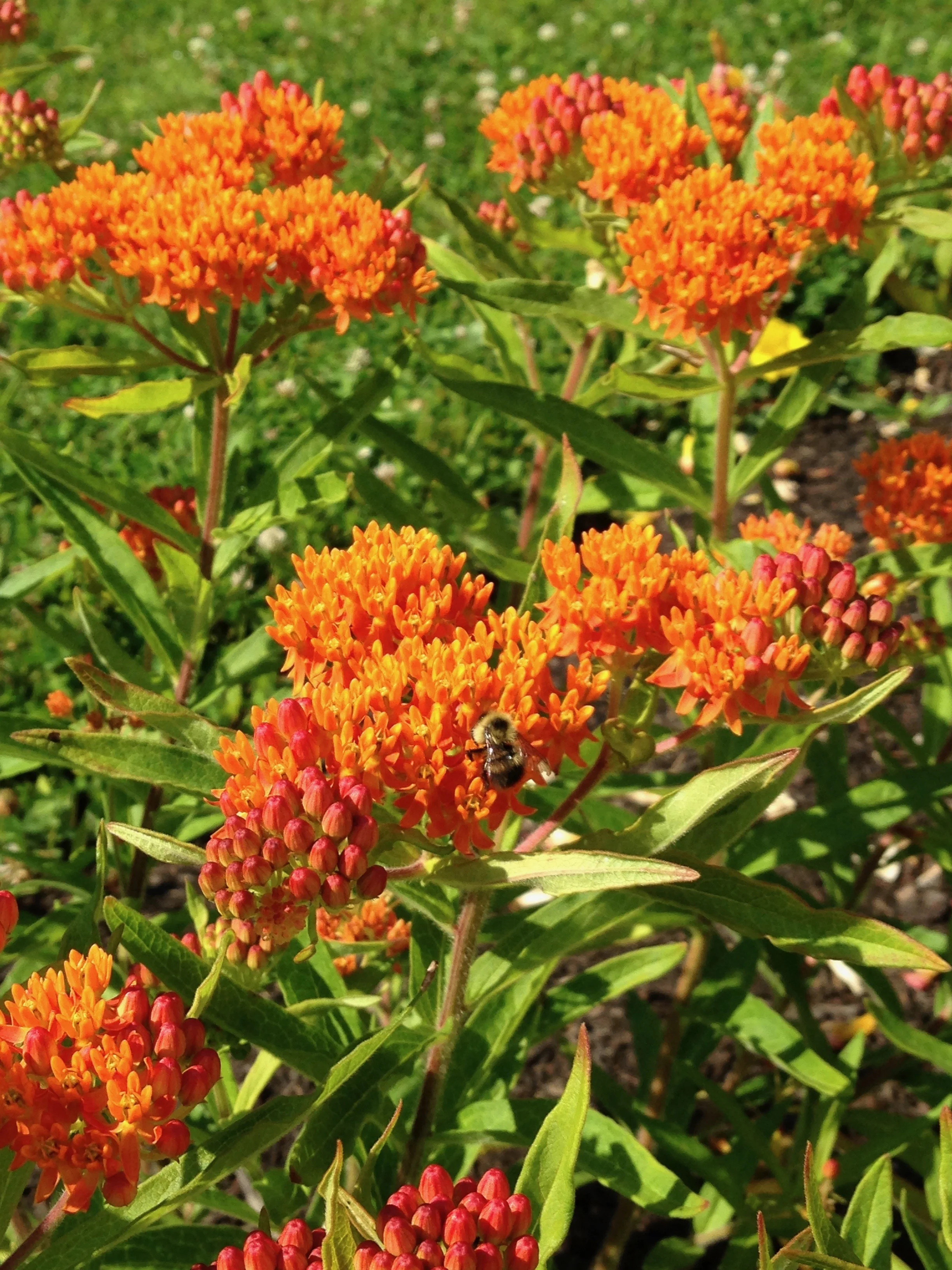
Support insects. We include a wide variety of native host plants that sustain insects—the foundation of healthy food webs. Pollinators in particular are essential for the reproduction of most flowering plants. We also try to incorporate water sources for insects, birds, and mammals.
Work with water. We study how water moves through a site and design plantings that balance water needs with the natural supply.
Balance unity and diversity. We use bold groupings of a few species to create harmony, complemented by smaller quantities of many others for variety.
Design for change. Our plantings account for natural competition and ecological succession, allowing plant communities to shift and evolve over time.
why ecological landscapes?
As we rapidly lose truly ‘wild’ places to development, it is critical that we carve out habitats for insects and animals in developed areas wherever possible. If our native insects and pollinators cannot find native plants on which to feed and breed, the entire food chain can become dismantled. By replacing sterile lawns with intrinsically beautiful, functional, ecological gardens, we provide food and shelter for an array of insects and animals that are essential to keeping our ecosystems in balance.
As ecological designers, our focus is to work with nature, not against it. Nurturing balanced ecosystems in our gardens can lessen or eliminate the need to use harmful herbicides, pesticides and excessive amounts of water. Fostering biodiverse habitats invites beneficial insects, which keep garden ‘pests’ in check. By integrating nature into our built environment, we can render landscapes that, over time, require fewer external inputs to thrive.
We believe every piece of an ecological design has more than one function in the landscape; each detail should fill a niche. For example, a pear tree on the south side of a building shades the structure in the summer months, reducing cooling costs and energy use. It provides fresh fruit to eat and in autumn, the leaves fall to the ground creating leaf litter that will eventually decompose into the ground creating a more nutrient rich soil. The bare tree lets sunlight through its branches in the winter months, allowing for more solar gain in the house, thus reducing heating costs and fuel. The tree also supports pollination of other pear trees and provides food for pollinators such as native bees. Similarly, a hedge that creates privacy for a back yard can also provide food and a safe habitat for birds and other creatures, and shade and beauty for residents and passersby to enjoy.

‘For the first time in its history, gardening has taken on a role that transcends the needs of the gardener. Like it or not, gardeners have become important players in the management of our nation’s wildlife. It is now within the power of individual gardeners to do something that we all dream of doing: to make a difference. In this case, the ‘difference’ will be to the future of biodiversity, to the native plants and animals of North America and the ecosystems that sustain them.’
-Doug Tallamy, ‘Bringing Nature Home’

In Gaia’s Garden, author Toby Hemenway describes the benefits of ecological gardens:
“These are places where conscious design has been melded with a respect and understanding of nature’s principles. The result is a living and riotously abundant landscape in which all the pieces work together to yield food, flowers, medicinal and edible herbs, even craft supplies and income for the inhabitants, while providing diverse habitat for helpful insects, birds, and other wildlife. Places where nature does most of the work, but where people are welcome as the other inhabitants of the Earth.”